

Introduction
Ransomware remains one of the biggest threats in cybersecurity, and Medusa ransomware has quickly gained notoriety. First identified in June 2021, Medusa operates as a Ransomware-as-a-Service (RaaS), allowing cybercriminals (affiliates) to conduct attacks on organizations across different industries.
In February 2025, the Cybersecurity and Infrastructure Security Agency (CISA), the FBI, and the Multi-State Information Sharing and Analysis Center (MS-ISAC) issued…

Introduction
If your network goes down in the middle of a critical business operation, and you detect and address the issue after it becomes a problem. Your organization will face more profound repercussions than a scenario where you identified the problem before it became an issue.
The world of IT monitoring and network management is the…
Introduction
Downtime is a costly mistake to experience in this increasingly reliant digital age. A single system outage leads to significant financial losses, damaged reputations, and loss of customer trust. To prevent these disruptions, we use 24/7 monitoring as a vital component for your business continuity.
What is 24/7 monitoring?
24/7 monitoring is a proactive system…
Introduction
In Part 1 of this series, we discussed the business case for SOC 2, outlining the key motivations for organizations to embark on the SOC 2 compliance journey. From building client trust to achieving competitive differentiation, Part 1 laid the groundwork for understanding why SOC 2 compliance is essential for the business.
Part 2 will focus…
Introduction
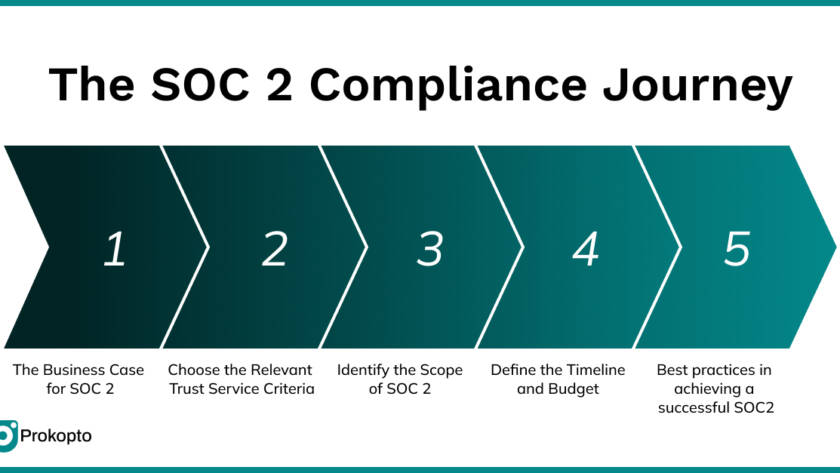
SaaS companies frequently struggle with the following decisions when starting the SOC 2 compliance journey.
The Business Case for SOC 2
Choose the Relevant Trust Service Criteria
Identify the Scope of SOC 2
Define the Timeline and Budget
Best practices in achieving a successful SOC2 compliance
SOC 2 explained: Trust…
Introduction
With the cloud integrated into many tech stacks, cloud infrastructure is dependent on innovation, scalability, and flexibility. However, the transition to cloud solutions can be expensive and inefficient if you miss several opportunities to optimize cloud resources.
That’s when your Financial Operations (FinOps) function comes into play. The function of FinOps is to link the…
Introduction
A serious network outage or security breach can hurt a business. The financial and reputational damage can be devastating. That’s why 24/7 Network Operations Centers (NOCs) and Security Operations Centers (SOCs) are more than technical necessities—they are the guardians of your business continuity.
Let’s explore how these proactive services act as shields, protecting your networks…
Introduction
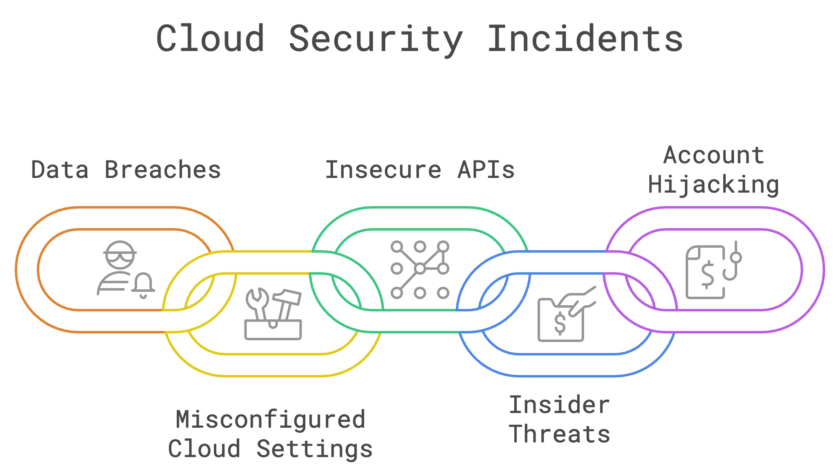
As organizations continue to migrate to the cloud, the benefits of scalability and flexibility are clear. However, this shift brings a new set of security challenges. Cloud-related security incidents are on the rise, and each additional tool or application introduced to secure cloud environments inadvertently increases complexity—and, often, risk.
In this blog, we explore…
Introduction
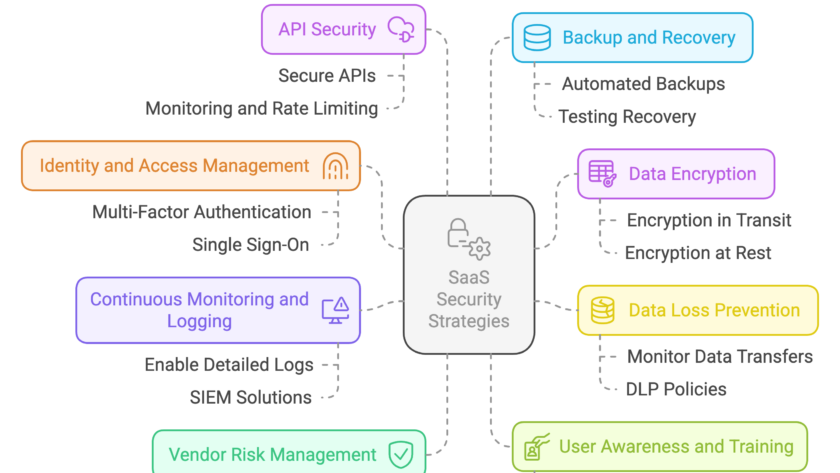
The rapid adoption of SaaS applications has brought incredible flexibility and scalability to businesses, but it has also introduced new security risks. From data breaches to insider threats, SaaS applications face a range of challenges that require robust security measures.
Below are eight of the most effective ways to bolster SaaS security and protect your…
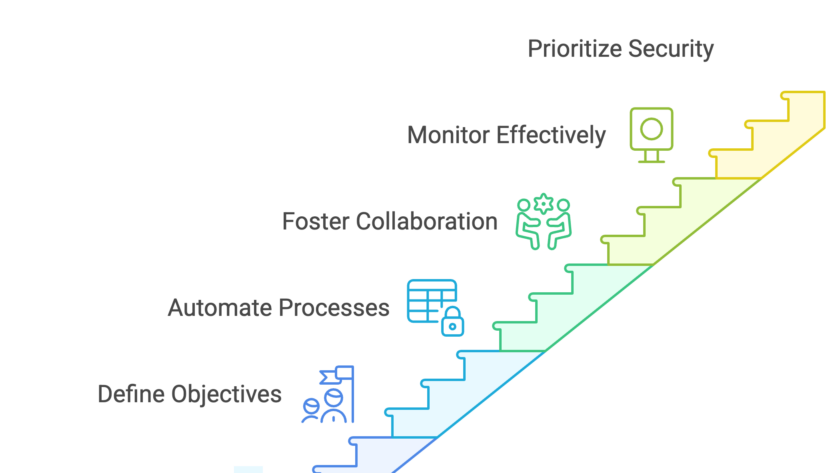
In today’s fast-paced digital landscape, the ability to deliver high-quality software quickly and reliably isn’t just an advantage—it’s a necessity. DevOps has emerged as the cornerstone of modern software delivery, but managing DevOps projects effectively requires more than just adopting new tools or automating processes.
This comprehensive guide will walk you through proven strategies for successful…
Introduction
“A report by Deloitte indicated that 68% of executives are concerned about talent shortages and the impact of losing critical employees from their organizations.”
When discussing with C-level executives and leaders, a significant concern often revolves around the risk of losing a key individual – someone whose absence could severely impact the organization. While…